
Is a RICS Level 3 Survey Worth It for Older Homes in Suffolk?

When buying an older property, one of the most common questions buyers ask is whether a RICS Level 3 Survey is really necessary, or whether a more standard inspection will suffice.
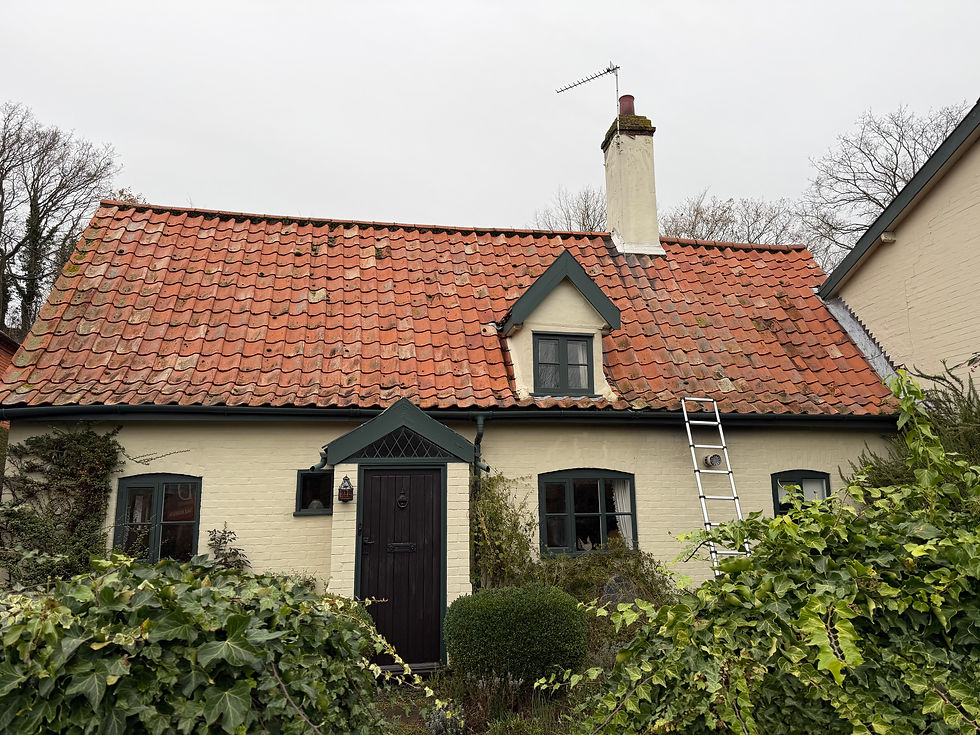
This is particularly relevant across much of Suffolk, where a large proportion of housing stock dates from the late-19th and early-20th centuries, with construction methods that differ significantly from modern homes.
What makes older properties different?
Older properties are often attractive because of their character, but they can conceal issues that are not always apparent during a viewing or picked up by more limited inspections.
Across Suffolk, it is common to encounter properties with:
Solid wall construction rather than cavity walls
Traditional timber roof structures
Historic roof coverings that may be approaching the end of their serviceable life
Alterations carried out over time, sometimes without modern standards of detailing or certification
These features are not inherently problematic, but they do require a survey that looks beyond surface-level condition.
Why a Level 3 Survey is often recommended
A RICS Level 3 Survey (sometimes referred to as a Building Survey) is designed for properties where:
The construction is non-standard or traditional
The building is older
There have been alterations or extensions
You want a detailed understanding of condition before committing to purchase
In practice, this allows for closer inspection of accessible roof spaces, walls, floors and services, together with clearer commentary on defects, likely causes, and recommended next steps.
For buyers of older homes, this level of detail can be particularly valuable when planning future maintenance or negotiating on price.
Common issues seen in older Suffolk properties
While every property is different, recurring themes in older homes across Suffolk include:
Dampness related to solid walls and ground levels
Localised timber decay, particularly where ventilation has been reduced
Roof coverings nearing the end of their serviceable life
Movement or cracking associated with age, historic alterations, or ground conditions
A Level 3 Survey allows these matters to be considered in context, rather than flagged in isolation.
Is a Level 2 Survey ever enough?
In some cases, a Level 2 Survey may still be appropriate for an older property, particularly where:
The building has been comprehensively refurbished
Construction is relatively conventional
No significant alterations are evident
However, buyers should be aware that a Level 2 Survey is more limited in scope and may not explore certain elements in the same depth.
Where there is any uncertainty, professional advice before instructing a survey can help ensure the most suitable option is chosen.
Final thoughts
For many buyers of older homes in Suffolk, a RICS Level 3 Survey provides reassurance by offering a more thorough understanding of the property’s condition and future maintenance considerations.
While it may represent a higher upfront cost, it can help avoid unexpected issues after purchase and support more informed decision-making during the buying process.
If you are considering a survey on an older property in Suffolk or Norfolk, obtaining tailored advice on the most appropriate survey type is often a sensible first step.
Comments